English
 日本語
日本語 한국어
한국어 português
How CNG Biogas Plants Convert Organic Waste into Renewable Natural Gas Solutions
2026-07-13

2026-07-13
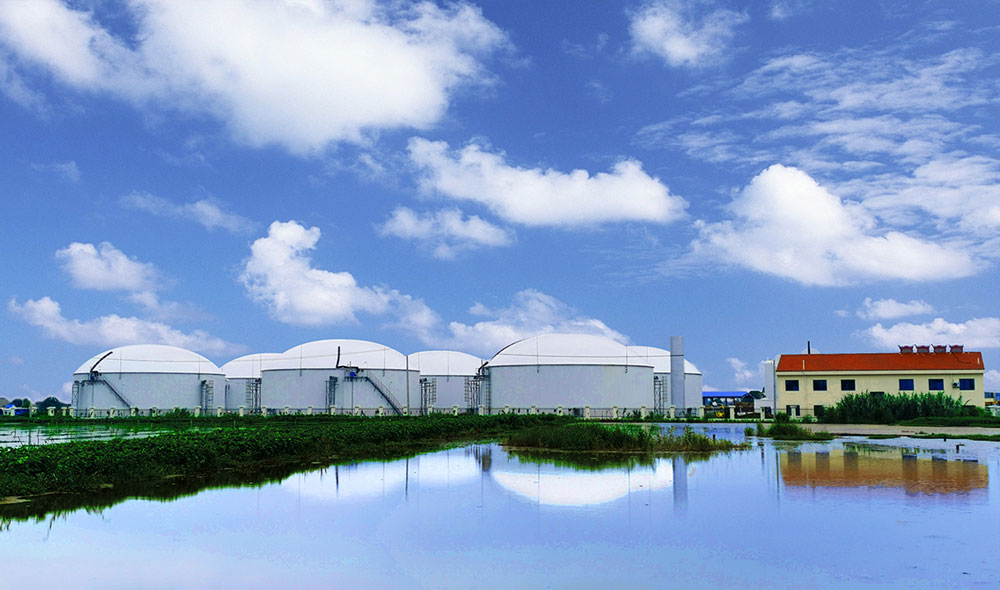
CNG biogas plants provide a practical solution for converting organic waste into purified biomethane that can be compressed and used as renewable natural gas. For industrial users, municipalities, farms, and energy investors, these systems reduce waste disposal costs while creating a clean fuel source with commercial value.
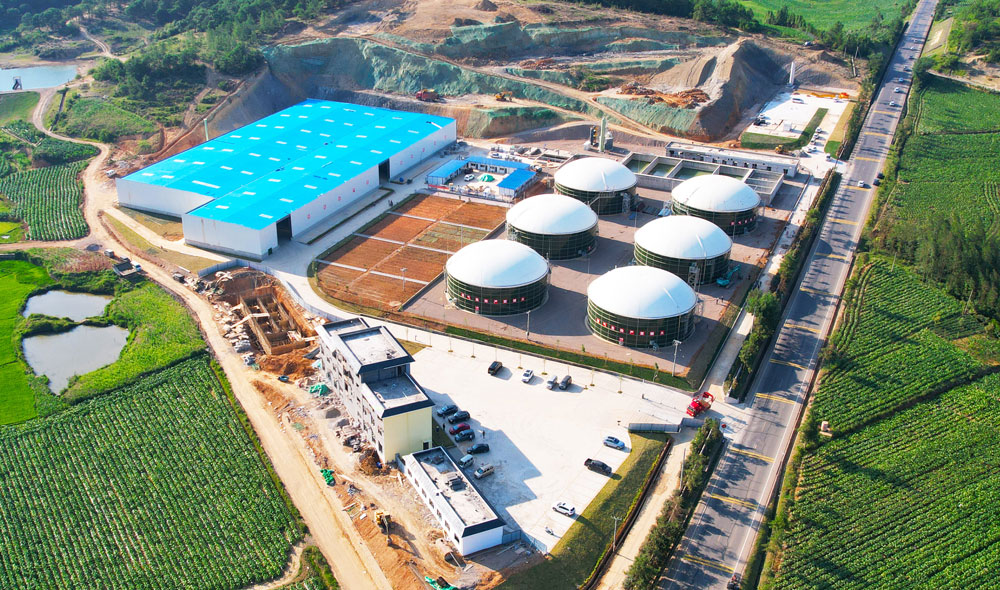
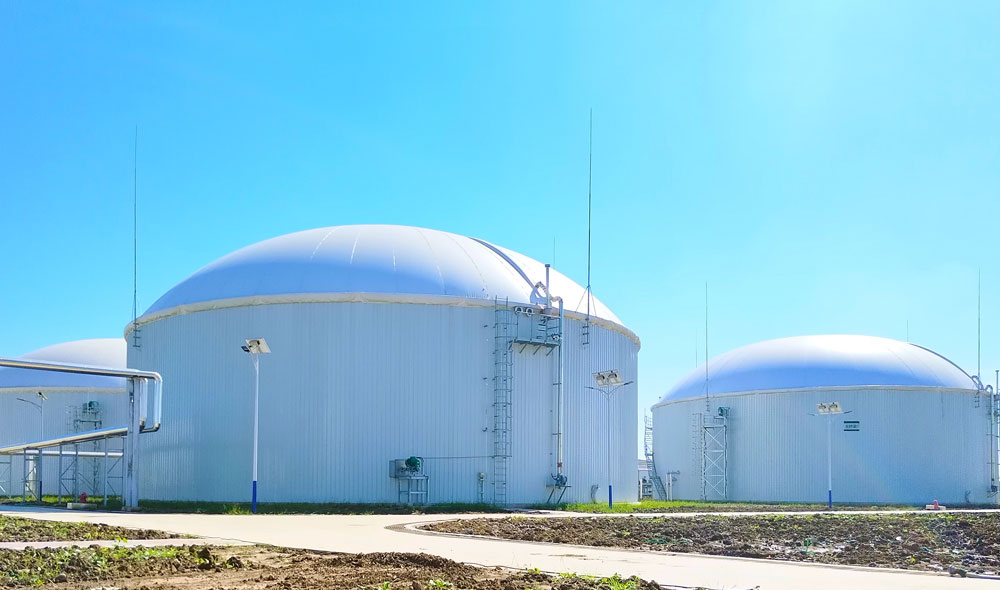
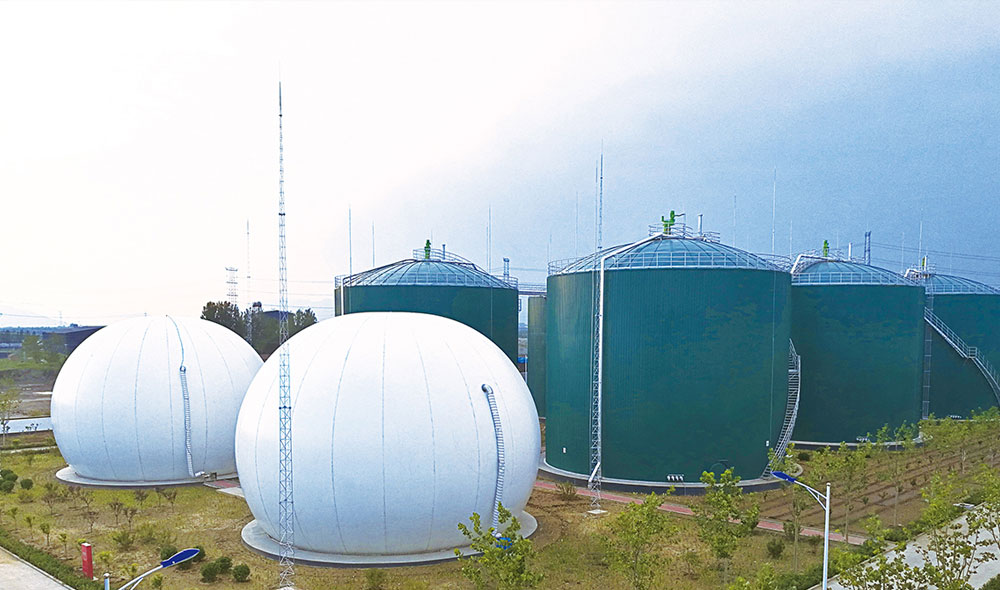
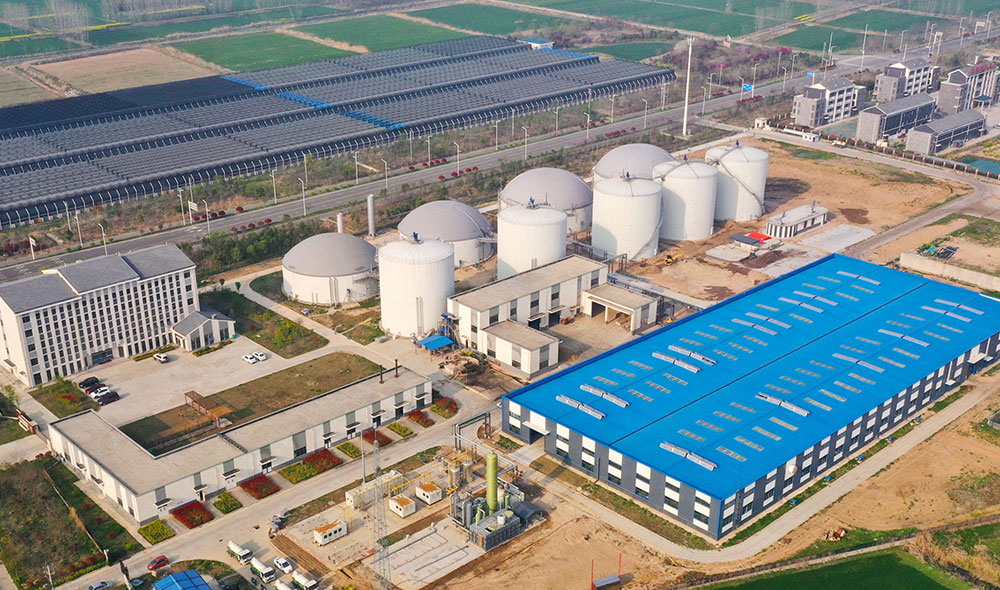
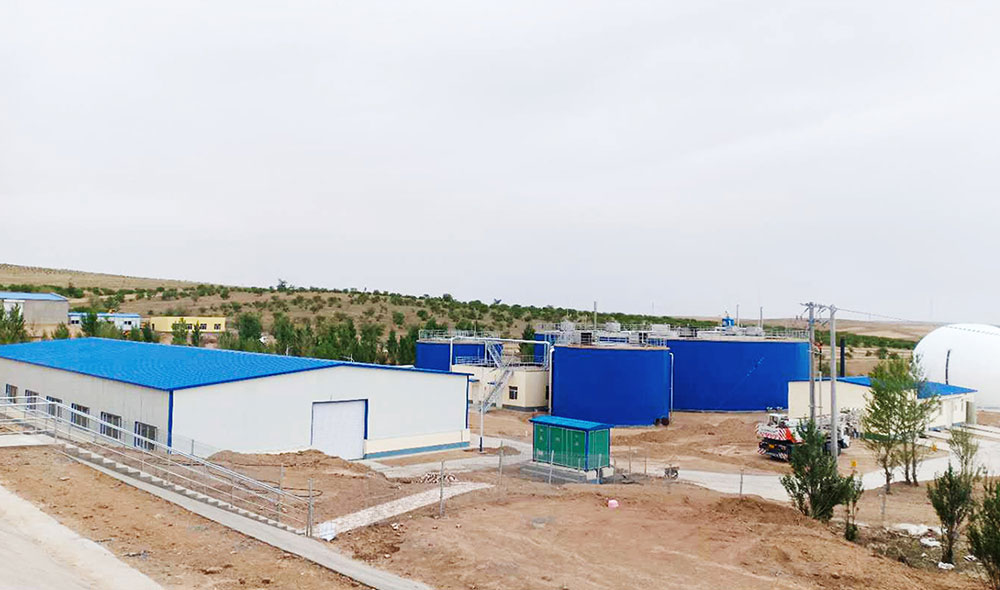
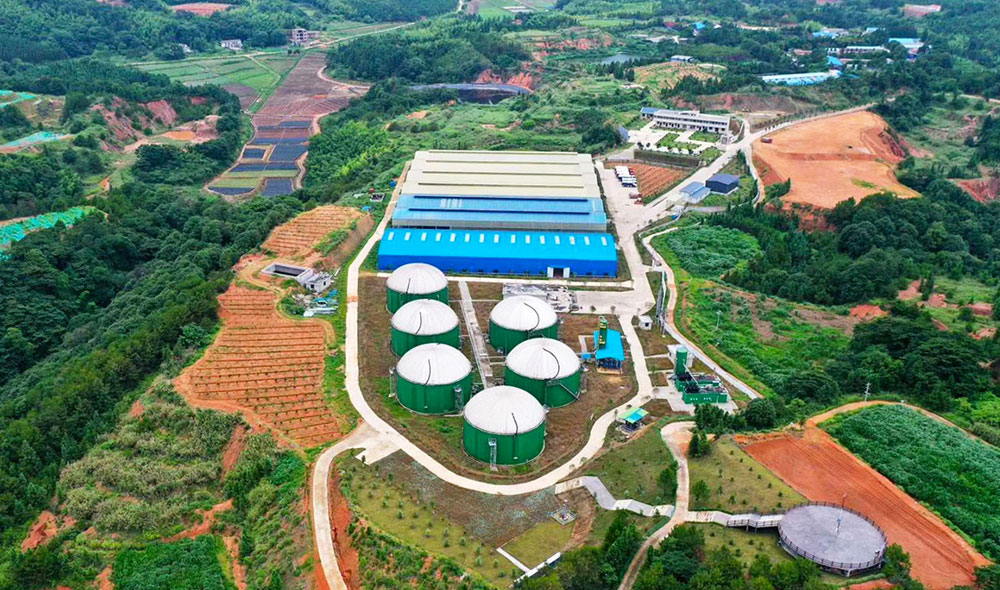
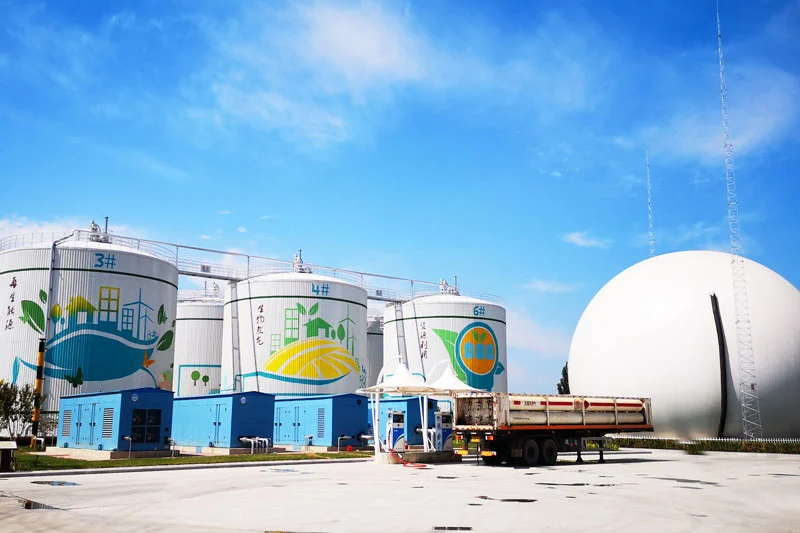
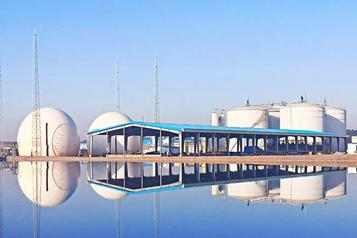
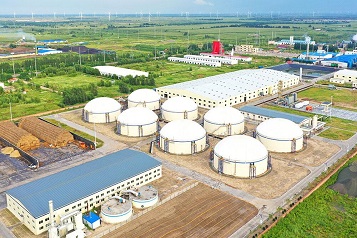
A CNG biogas plant is an integrated system that transforms raw materials for biogas such as agricultural waste, livestock manure, food waste, and wastewater sludge into compressed natural gas (CNG). The process begins with anaerobic digestion, where microorganisms break down organic matter and produce raw biogas.
The raw biogas usually contains methane, carbon dioxide, moisture, and impurities. Through purification and upgrading processes, carbon dioxide, hydrogen sulfide, and other unwanted components are removed. The resulting biomethane is then compressed into CNG for transportation fuel, industrial energy, or commercial applications.
For companies evaluating renewable energy projects, selecting a reliable CNG biogas plant supplier is essential because equipment design affects gas quality, operating stability, and long-term return on investment.
A complete CNG biogas plant normally includes several core systems:
Component | Function | Importance for Projects |
Anaerobic digester | Produces raw biogas from organic waste | Determines gas output stability |
Gas purification system | Removes impurities | Ensures fuel quality |
Biogas upgrading unit | Increases methane concentration | Improves energy value |
Compression system | Converts biomethane into CNG | Enables storage and transportation |
Storage and control system | Manages operation safety | Supports continuous production |
Large-scale buyers should evaluate each component according to feedstock type, expected gas production, local regulations, and future expansion requirements, especially when planning large scale biogas production projects that require stable performance, efficient resource utilization, and long-term operational reliability.
Feature | CNG Biogas Plant | Traditional Waste Treatment |
Waste reduction | High | Medium |
Renewable fuel production | Yes | No |
Energy recovery | Significant | Limited |
Long-term revenue potential | Higher | Lower |
Carbon reduction benefits | Strong | Moderate |
Compared with conventional disposal methods, CNG biogas plants create additional economic value by turning waste into a usable energy product.
Before purchasing, project owners should review several factors:
1. Confirm feedstock analysis and expected biogas yield.
2. Check equipment design for local climate and operating conditions.
3. Evaluate purification technology and final methane quality.
4. Review installation support, maintenance services, and spare parts availability.
5. Request technical documents, specifications, and project references.
Experienced manufacturers such as YHR Environment provide customized CNG biogas plant solutions based on different feedstock conditions, production targets, and project requirements, helping customers achieve stable operation and long-term energy benefits.
CNG biogas plants are widely used in agricultural waste management, food processing industries, wastewater treatment facilities, and municipal waste projects.
Companies can combine these systems with related solutions such as anaerobic digestion technology, biogas upgrading equipment, and complete renewable energy project design services to create integrated energy solutions.
A CNG biogas plant can process livestock manure, agricultural residues, organic waste, food waste, and many types of biodegradable materials, including feedstock commonly used in a cow dung power plant. The suitable feedstock depends on project goals and local availability.
The methane content must be increased through purification and upgrading processes before compression. Commercial projects usually require high-purity biomethane to meet fuel quality standards.
With proper maintenance and professional engineering support, a commercial CNG biogas plant can provide stable operation for many years.
Yes. Plant capacity, equipment configuration, and treatment processes can be customized based on feedstock characteristics, production targets, and customer requirements.
Businesses invest in these systems because they combine waste management, renewable energy generation, and potential fuel revenue into one sustainable solution.
CNG biogas plants help businesses transform organic waste into valuable renewable fuel while supporting environmental goals. For industrial and commercial projects, choosing the right technology partner is critical for achieving reliable operation and economic benefits.
Contact us for project specifications, bulk quotation, and OEM support for customized CNG biogas plant solutions.