English
 日本語
日本語 한국어
한국어 português
Importance of Choosing the Right Biogas Raw Materials for Efficient Biogas Production
2025-11-27

2025-11-27
Biogas production plays a crucial role in sustainable energy generation, waste management, and environmental conservation. A key factor in optimizing biogas yield is the selection of appropriate biogas raw materials. In this article, we will explore common challenges faced by industries and municipalities when selecting raw materials for biogas production and how to solve them by choosing the right feedstock for biogas plants.
When it comes to biogas production, one of the most common concerns is identifying the right raw materials for biogas. The choice of feedstock directly influences the efficiency, cost, and environmental impact of the biogas plant. Without an optimized mix of biogas raw materials, operators may face issues such as low biogas yield, prolonged digestion times, and even operational failures.
For example, some materials may not break down efficiently in the anaerobic digestion process, while others may lead to imbalances in the microbial communities responsible for gas production. So, how can biogas plants overcome these obstacles?
The key to maximizing biogas production lies in selecting a blend of biogas raw materials that are both efficient and cost-effective. A balanced mix of organic waste, agricultural residues, and food waste is often recommended. This combination ensures a steady supply of essential nutrients for microorganisms, leading to higher methane production. By investing in research and developing optimized material blends, biogas plant operators can achieve maximum efficiency and sustainability.
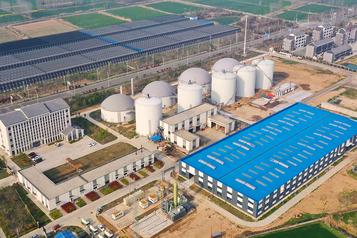
These materials not only help reduce environmental waste but also provide a renewable source of energy. Utilizing these resources effectively is a primary goal for any modern agricultural biogas plant looking to maximize sustainability.
However, agricultural waste is not always easy to digest. High lignin content in some plant residues can make it more difficult for microorganisms to break them down. So, how can biogas producers overcome this challenge?
By pre-treating agricultural residues (e.g., via mechanical, thermal, or chemical methods), their digestibility can be improved. Additionally, blending agricultural waste with other more easily degradable materials, such as food waste or sewage sludge, can balance the carbon-to-nitrogen ratio, optimizing the anaerobic digestion process.
This method not only increases biogas yields but also ensures that the raw materials are processed efficiently, reducing operational costs and environmental impact.
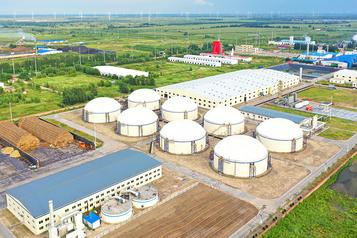
Food waste is another highly effective raw material for biogas production. The global food waste crisis presents a massive opportunity to utilize discarded food as a sustainable feedstock for biogas plant project. Food waste is rich in organic material, making it an ideal candidate for anaerobic digestion.
However, the challenge with food waste lies in its variability. The composition of food waste can range from high-protein scraps to starchy residues, and this inconsistency can complicate the biogas production process. So, how can biogas operators make the most of food waste?
To optimize biogas yields from food waste, segregation is key. By sorting food waste into categories based on their nutrient content, biogas operators can better control the digestion process. This allows for a more consistent feedstock, ensuring that microorganisms can break down the materials efficiently and produce higher biogas volumes.
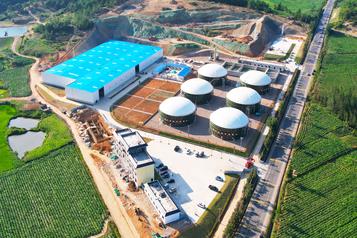
Municipal solid waste (MSW) is a growing concern for urban areas worldwide. As cities expand, the amount of organic waste that ends up in landfills increases, contributing to environmental pollution. However, MSW can be a valuable biogas raw material if properly processed.
The challenge with MSW is its heterogeneity—it contains a mix of biodegradable and non-biodegradable materials. Sorting MSW can be labor-intensive and costly, but it is crucial for ensuring the efficient production of biogas. So, how can we turn this waste into a renewable energy source?
By adopting advanced sorting technologies, such as mechanical biological treatment (MBT) or automated waste separation, biogas plant manufacturers can effectively extract organic waste from MSW. This organic portion can then be used as a raw material for biogas, resulting in a cleaner, more efficient feedstock for anaerobic digestion.
| Biogas Raw Material | Advantages | Challenges | Solution |
|---|---|---|---|
| Agricultural Waste | Abundant, renewable, cost-effective | High lignin content, slow digestion | Pre-treatment, blending with other materials |
| Food Waste | High organic content, easily degradable | Inconsistent composition | Sorting and segregating materials |
| Municipal Solid Waste | Large source of organic material from cities | Mixed composition, requires sorting | Advanced sorting technologies |
Selecting the right biogas raw materials is crucial for the success of biogas production. By addressing the challenges of feedstock variability and optimizing material blends, biogas plant operators can significantly enhance efficiency, reduce operational costs, and promote environmental sustainability. Agricultural waste, food waste, and municipal solid waste all hold immense potential for biogas production, and with the right approach, they can help meet the growing demand for renewable energy.
By understanding the complexities of raw materials for biogas, operators can make informed decisions that lead to a more sustainable future for energy production.