English
 日本語
日本語 한국어
한국어 português
Sustainable Waste Management in Agriculture: The Role of Agricultural Biogas Plants
2025-11-13

2025-11-13
Agricultural waste, especially livestock manure, presents significant environmental challenges. Improper waste management not only impacts the health of the environment but also leads to economic inefficiencies for farmers. As the global demand for sustainable farming practices increases, the development and implementation of agricultural biogas plants have emerged as an effective solution. In this article, we will discuss how agricultural biogas can help solve the issues of waste disposal, greenhouse gas emissions, and energy shortages, while providing economic benefits to farmers.
The agricultural sector, particularly livestock farming, is one of the largest contributors to greenhouse gas emissions, water pollution, and soil degradation. The disposal of animal manure has become a major environmental concern. When left untreated, manure can release harmful methane gas, contribute to the eutrophication of water bodies, and pose a risk to soil quality. With population growth and increasing demands for food production, how can the agriculture industry reduce its ecological footprint while ensuring effective waste management?

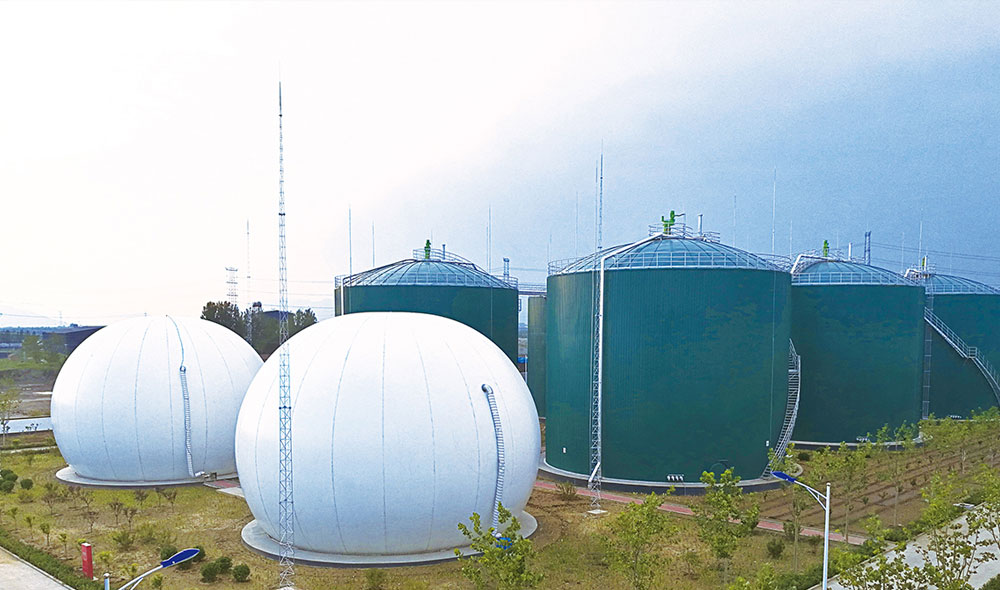
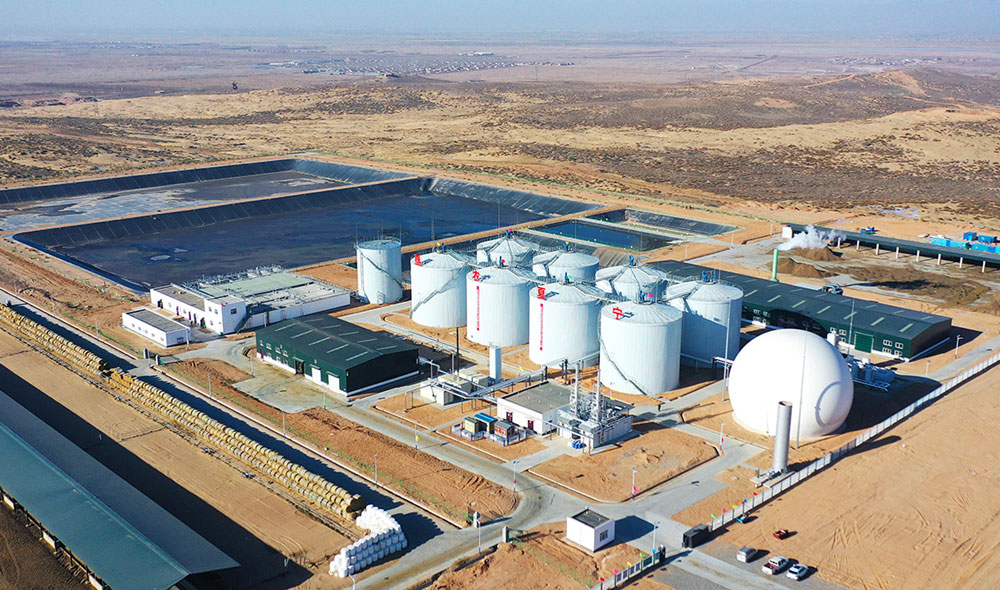
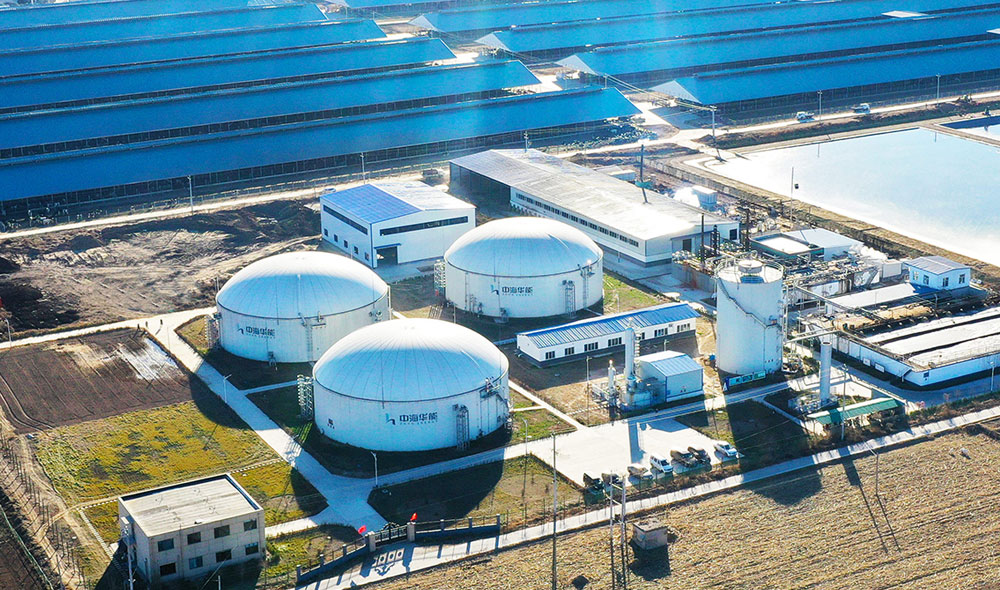
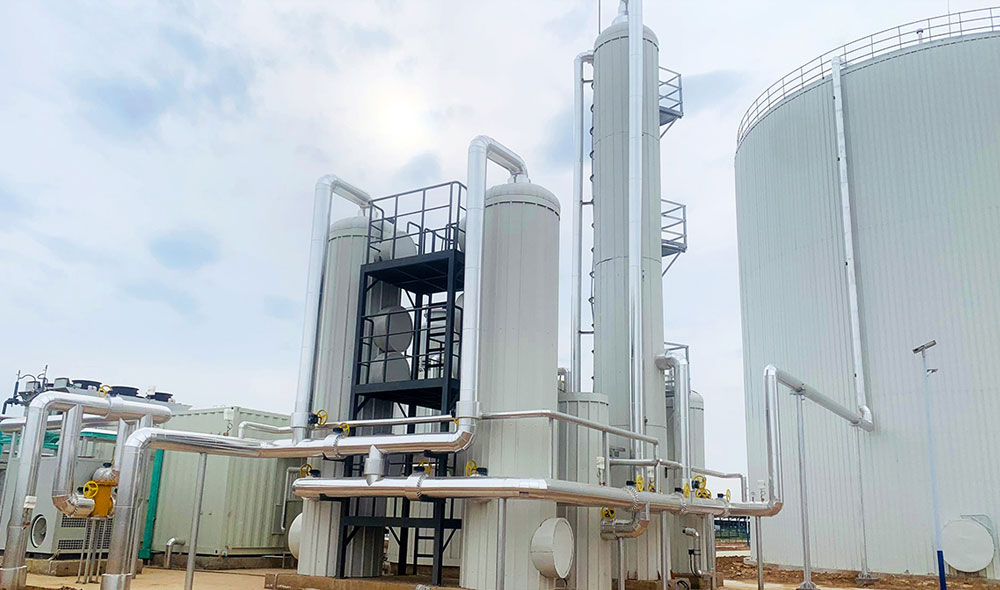
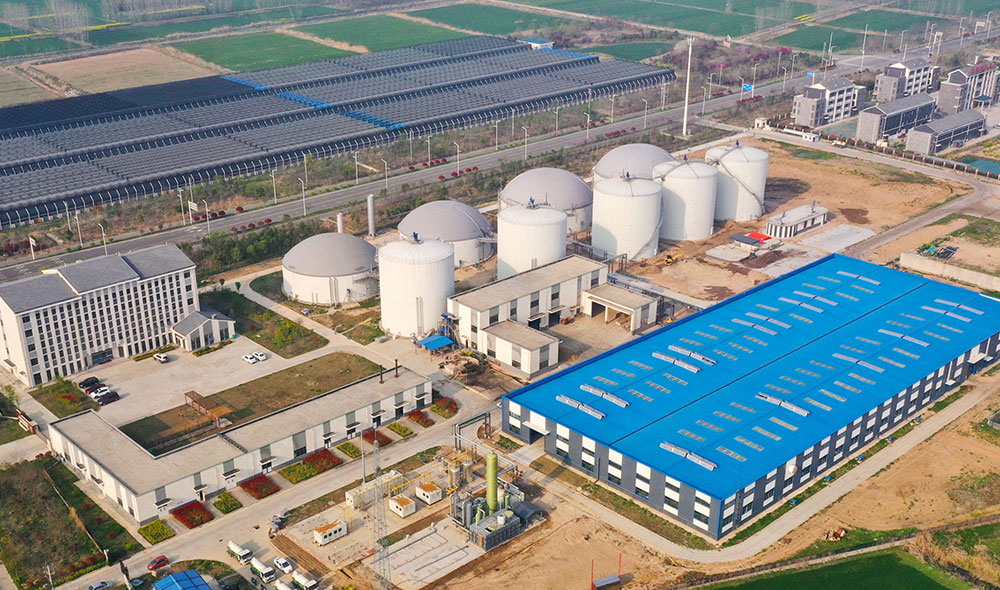
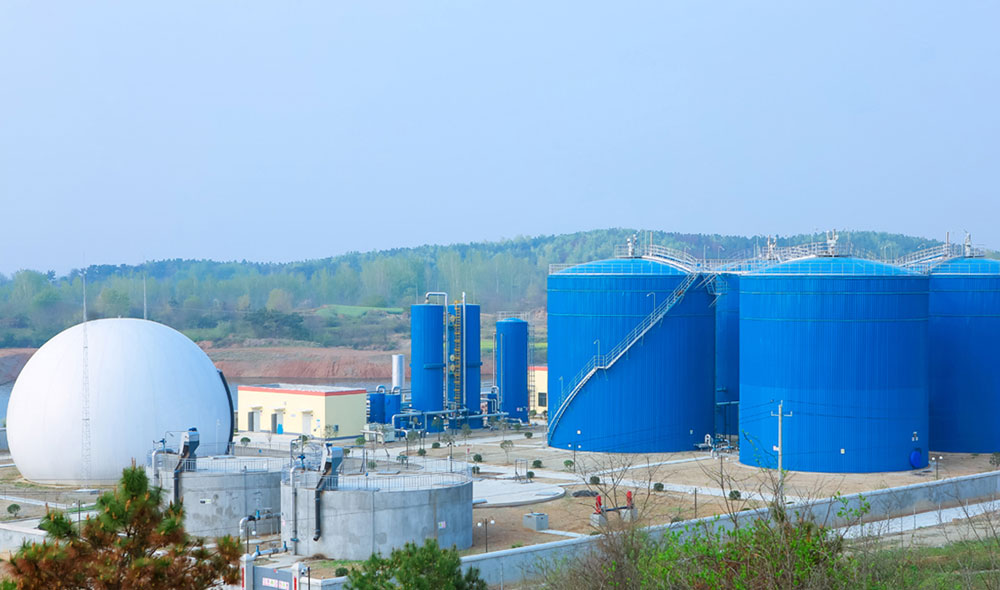
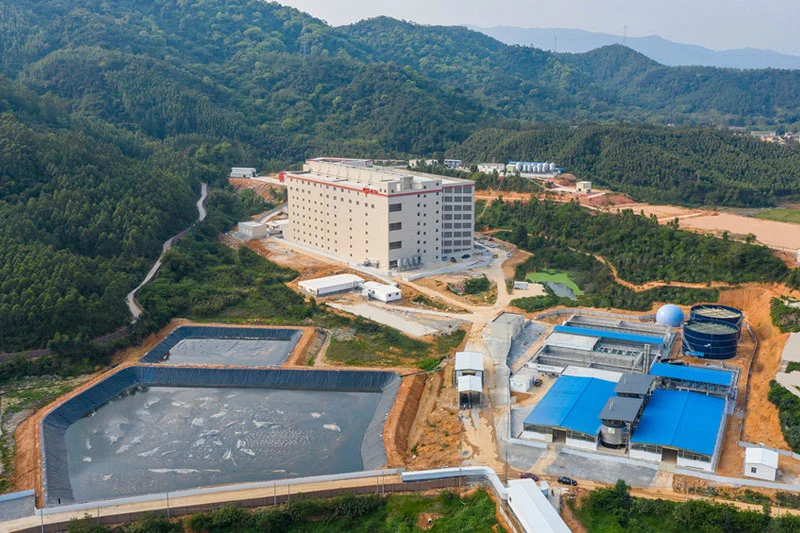
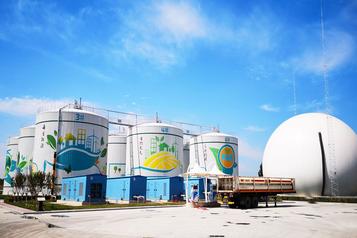
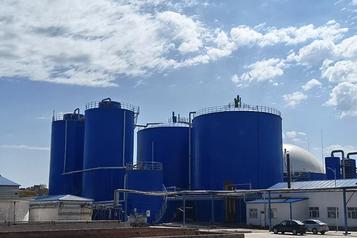
Agricultural biogas plant project offers an innovative and sustainable solution to the manure disposal problem. These plants use anaerobic digestion to break down organic waste, such as livestock manure, crop residues, and food waste, to produce biogas. Biogas is a renewable source of energy that can be used to generate electricity, heat, or even be upgraded to biomethane for use as a transportation fuel.
The process not only reduces methane emissions from manure but also provides farmers with a valuable source of energy, contributing to energy independence and reduced reliance on fossil fuels. In addition to biogas, the digestate produced as a byproduct can be used as a high-quality organic fertilizer, returning valuable nutrients to the soil.
Key Benefits of Agricultural Biogas Plants:
Waste-to-Energy: Conversion of organic waste into renewable energy.
Reduced Greenhouse Gas Emissions: Significant reduction in methane emissions from manure.
Improved Soil Quality: Digestate as a nutrient-rich fertilizer.
Economic Viability: A sustainable way for farmers to save on energy costs and improve farm productivity.
While the benefits of agricultural biogas plants are clear, several barriers to widespread adoption remain. Initial investment costs, lack of technical knowledge, and concerns about the return on investment are some of the challenges faced by farmers. How can these hurdles be addressed to make biogas technology more accessible and cost-effective?
Solutions:
Government Support and Incentives: Many governments are introducing subsidies, grants, and low-interest loans to support farmers adopting sustainable practices. This can reduce the financial burden of installing biogas plants.
Training and Education: Providing farmers with training on the operational and financial benefits of biogas systems can increase adoption rates. Extension services can also play a critical role in assisting farmers.
Innovative Financing Models: Public-private partnerships, cooperatives, and crowd-funding platforms can provide alternative financing options for farmers to implement biogas systems.
The market for agricultural biogas plants is expected to grow significantly in the coming years, driven by increasing awareness of climate change, the demand for renewable energy, and the need for sustainable agricultural practices. As more countries implement stricter environmental regulations and policies to curb carbon emissions, the adoption of biogas systems is likely to become more widespread.
Key Market Drivers:
Renewable Energy Demand: The growing global focus on renewable energy sources fuels the demand for biogas.
Sustainable Agriculture: Increased adoption of environmentally friendly farming practices and resource recycling.
Government Regulations: Stricter emission standards and subsidies for clean energy technologies.
| Benefit | Explanation |
|---|---|
| Energy Production | Biogas plants generate renewable energy, reducing dependence on fossil fuels. |
| Waste Reduction | Effective treatment of agricultural waste, including manure. |
| Emission Control | Reduction of methane and other harmful emissions from untreated waste. |
| Soil Fertility | Digestate can be used as high-quality organic fertilizer for crops. |
The development of agricultural biogas plants presents a sustainable solution to the challenges posed by livestock waste. By converting manure into renewable energy, these systems offer a cleaner, greener alternative to traditional waste management methods. With continued government support, education, and technological advancements, agricultural biogas has the potential to revolutionize farming practices and contribute significantly to environmental sustainability. The global push towards clean energy and sustainable agriculture presents an excellent opportunity for farmers to adopt biogas systems, making their operations more efficient and eco-friendly.