English
 日本語
日本語 한국어
한국어 português
The starch production industry, a significant part of the global food and beverage sector, faces considerable challenges when it comes to wastewater management. The effluent produced during the starch extraction process, commonly referred to as "spent wash," is rich in organic matter and poses serious environmental risks. As the demand for starch continues to rise globally, effective and sustainable solutions for treating starch wastewater are becoming increasingly important. This article delves into the issues surrounding spent wash and presents innovative treatment technologies that align with both environmental regulations and market needs.
The Growing Problem of Starch Wastewater
The production of starch involves the extraction of starch from various raw materials, such as corn, wheat, and potatoes. During this process, a significant amount of wastewater, known as spent wash, is generated. This wastewater contains high levels of biochemical oxygen demand (BOD), chemical oxygen demand (COD), and suspended solids, making it one of the most challenging types of industrial effluent to treat.
In many cases, untreated spent wash is directly discharged into the environment, resulting in contamination of water bodies and soil, harming aquatic life, and affecting local ecosystems. Furthermore, the high organic load in starch wastewater can lead to foul odors and contribute to the spread of disease. These environmental hazards make the effective treatment of starch wastewater an urgent issue for producers, who must comply with increasingly stringent environmental regulations.

The Regulatory Landscape and Market Demand for Sustainable Solutions
As environmental concerns intensify worldwide, governments and regulatory bodies are tightening the rules on industrial wastewater discharge. In response to these growing concerns, industries producing starch are under pressure to adopt sustainable practices to minimize their environmental impact. This shift is further supported by consumer demand for environmentally responsible production processes.
Starch producers now face two primary challenges: ensuring that their wastewater treatment methods meet regulatory standards and addressing the growing public demand for sustainable and eco-friendly practices. Companies must not only reduce their environmental footprint but also seek solutions that offer cost-effective wastewater treatment while promoting resource recovery.
Innovative Solutions for Treating Starch Wastewater
Several advanced treatment technologies have been developed to address the challenges posed by starch wastewater. These solutions focus on reducing the organic content of spent wash, improving effluent quality, and minimizing environmental impact. Below are some of the most effective technologies currently used in the treatment of starch wastewater.
Anaerobic Digestion
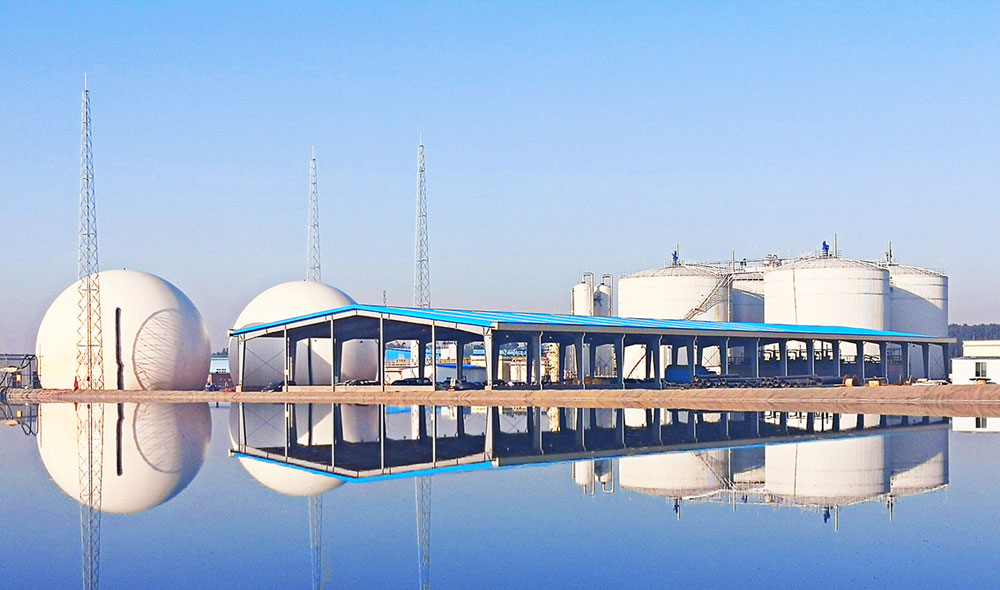
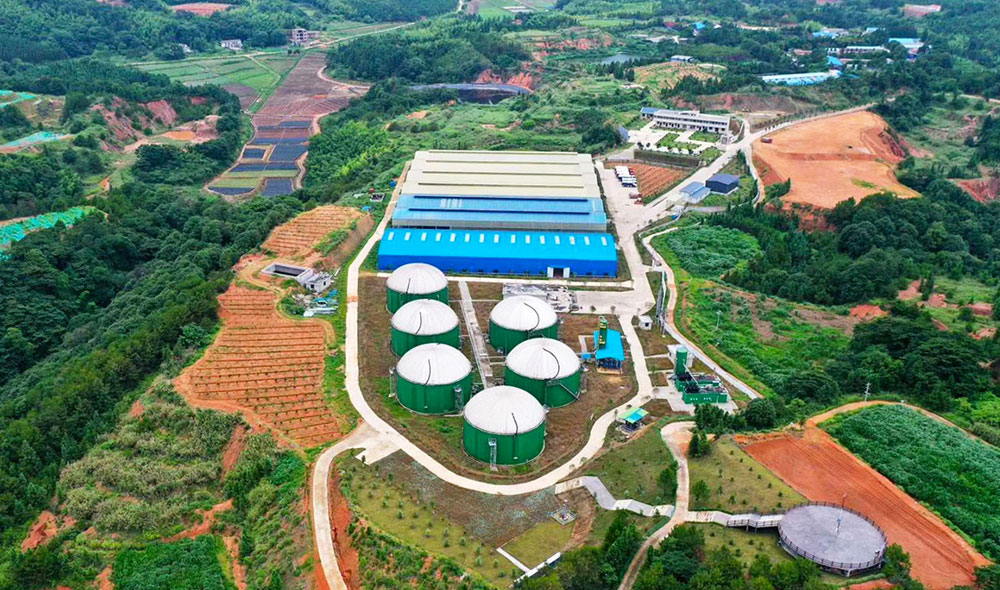
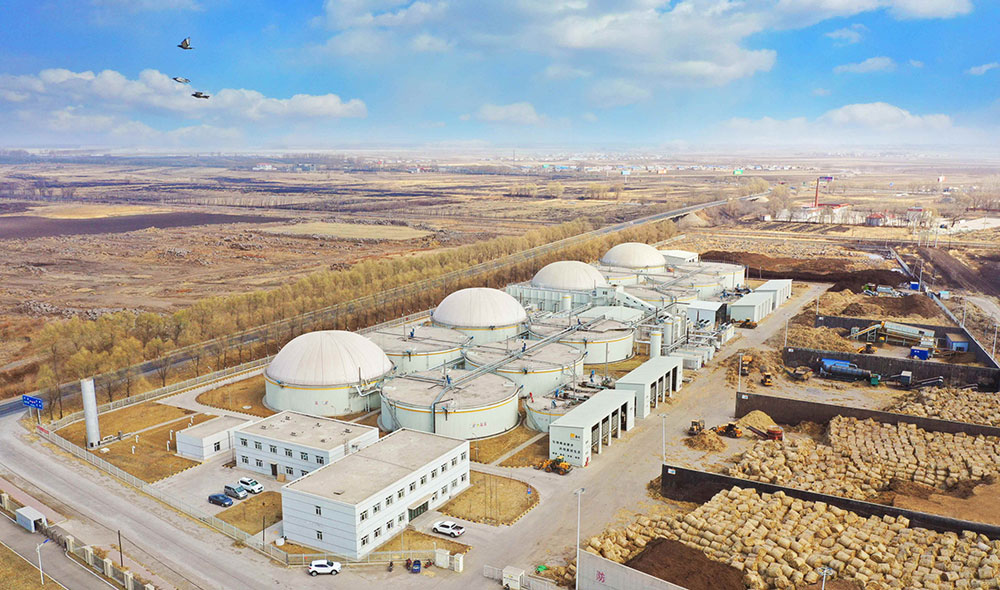
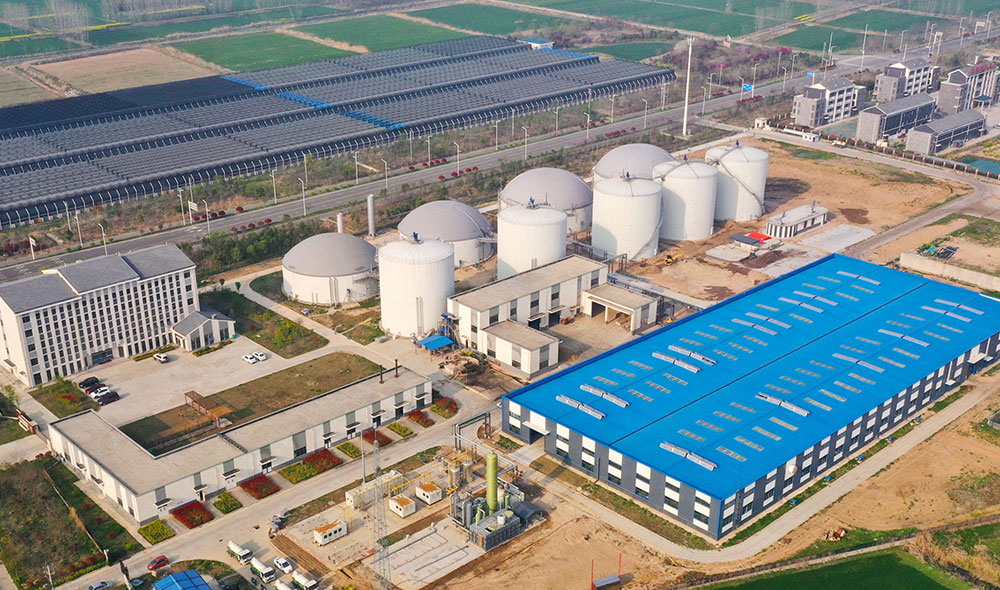
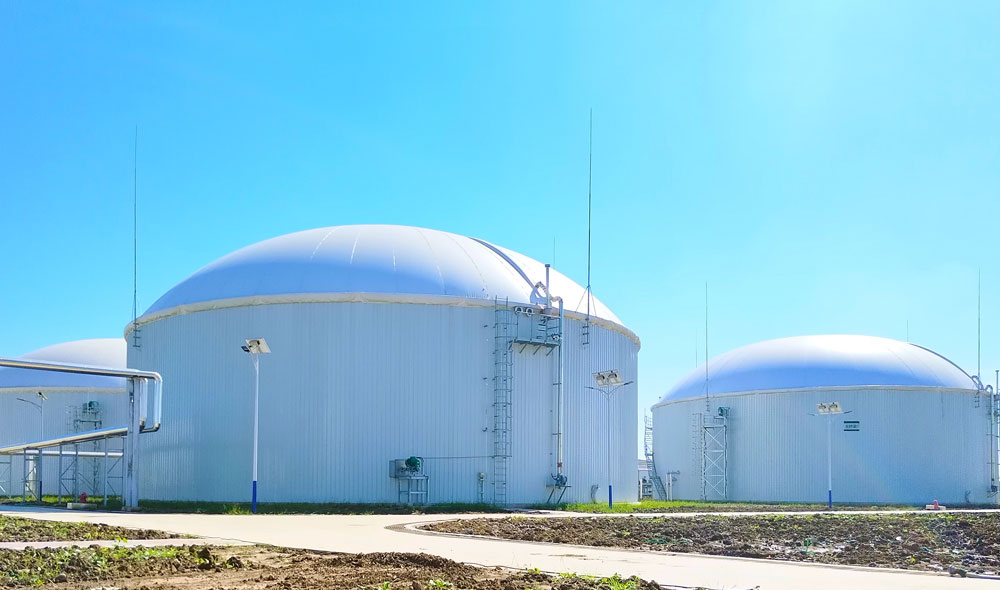
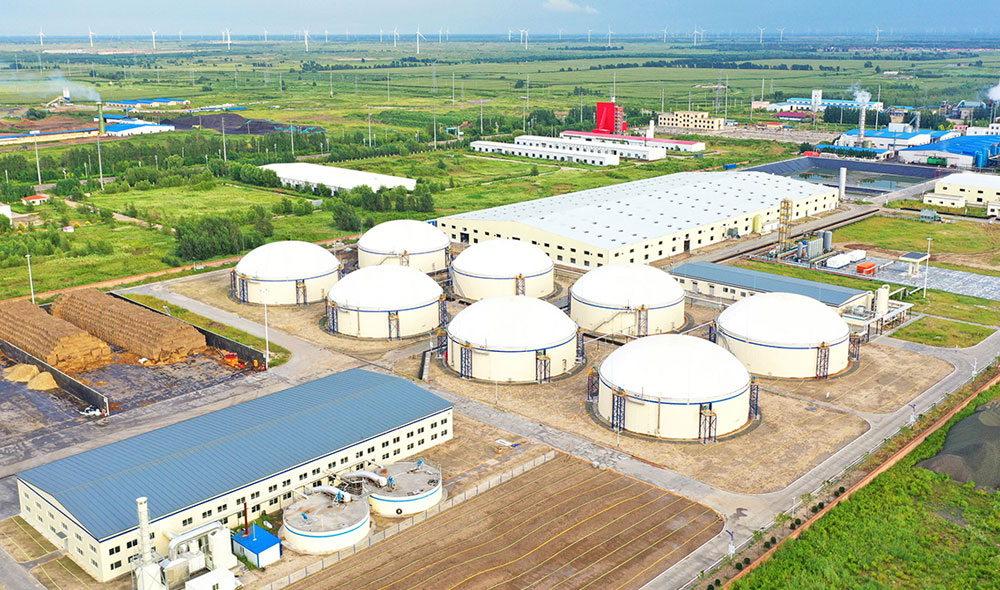
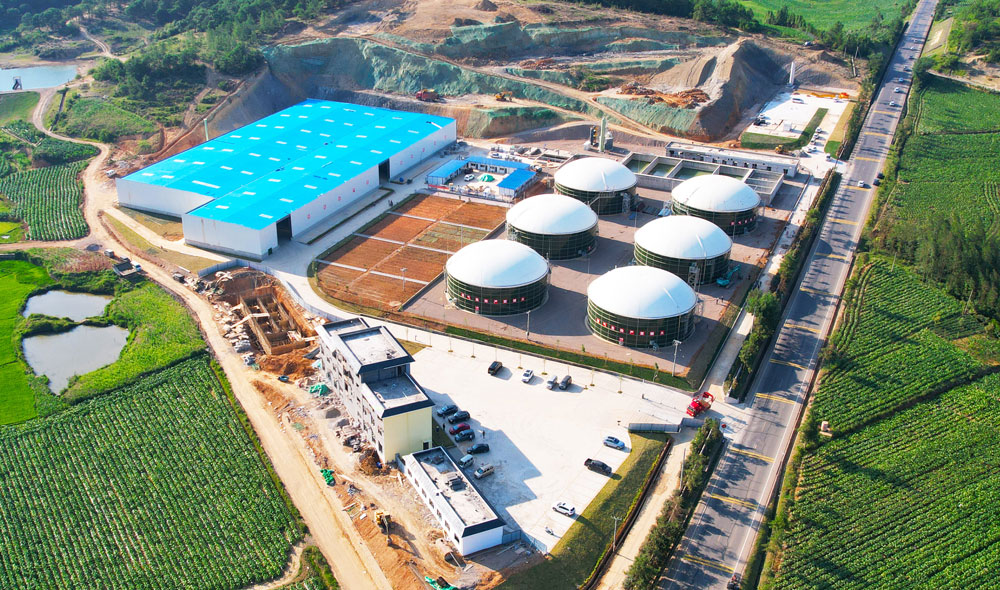
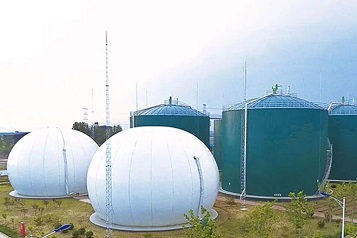
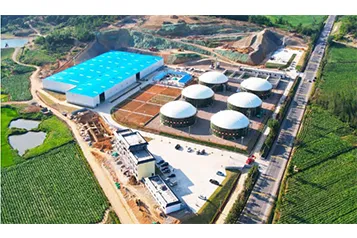
One of the most promising solutions for starch wastewater is anaerobic digestion. This biological process involves microorganisms that break down organic matter in the absence of oxygen, resulting in the production of biogas. The organic material in spent wash is ideally suited for anaerobic digestion, which not only reduces the BOD and COD levels but also generates renewable energy in the form of biogas. The energy produced can be used to power the starch production plant, making this a sustainable and cost-effective solution.
Membrane Filtration
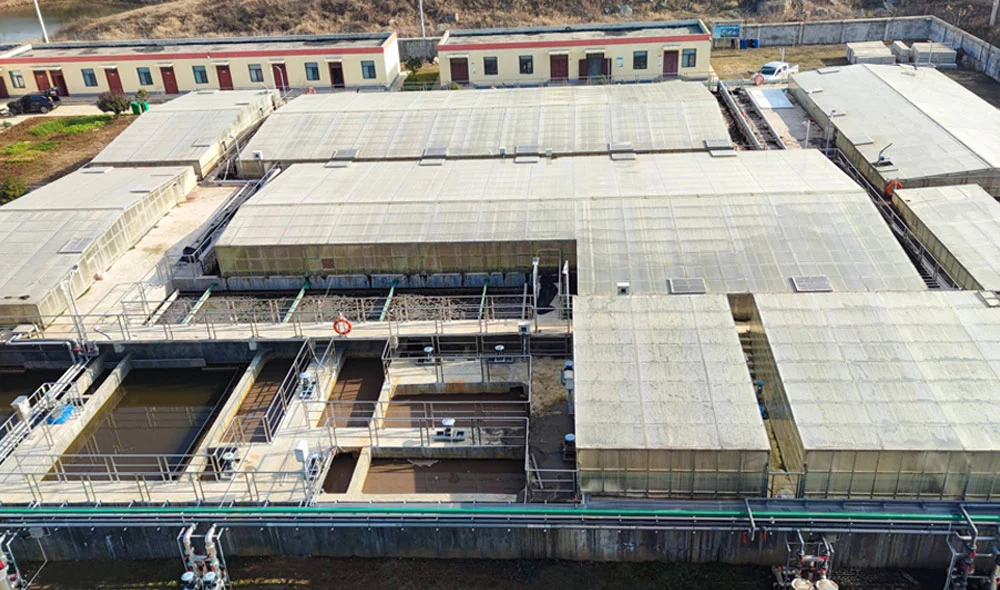
Another effective treatment technology is membrane filtration, specifically membrane bioreactors (MBR). MBR combines biological treatment with membrane filtration, allowing for the removal of suspended solids and organic contaminants. This method is particularly effective for treating starch wastewater as it produces high-quality effluent that meets discharge standards. The adoption of MBR systems is gaining momentum in industries that require high-quality effluent for reuse or safe discharge into the environment.
Physico-Chemical Methods
For additional treatment, physico-chemical methods such as coagulation, flocculation, and activated carbon filtration are used. These methods help remove residual organic and inorganic pollutants from the wastewater. Coagulation and flocculation can effectively remove suspended solids, while activated carbon filtration adsorbs remaining contaminants, ensuring that the treated water is safe for discharge or reuse in agricultural or industrial applications.

| Technology | Description | Benefits |
|---|---|---|
| Anaerobic Digestion | A biological process where microorganisms break down organic matter in the absence of oxygen. | Reduces BOD and COD, generates biogas for energy, cost-effective, and sustainable. |
| Membrane Filtration (MBR) | Combines biological treatment with membrane filtration to remove suspended solids and contaminants. | Produces high-quality effluent, meets discharge standards, suitable for reuse or safe discharge. |
| Physico-Chemical Methods | Uses coagulation, flocculation, and activated carbon filtration to remove pollutants. | Effectively removes residual organic and inorganic pollutants, ensuring treated water is safe for reuse. |
Aligning Treatment Solutions with Market Demands and Regulatory Requirements
As regulatory frameworks become more stringent, starch producers must adopt wastewater treatment methods that not only comply with local environmental regulations but also cater to the market’s increasing demand for sustainability. Technologies such as biogas-based anaerobic digestion and membrane filtration systems meet both of these needs by reducing environmental impact while offering a potential for resource recovery.
By integrating these advanced treatment methods, starch producers can reduce the volume of waste generated, recycle water, and generate renewable energy, all of which contribute to reducing the operational costs of wastewater treatment. Furthermore, aligning with global sustainability trends helps companies improve their corporate image and appeal to eco-conscious consumers, ultimately boosting their competitive edge in the market.
Conclusion
The treatment of starch wastewater, particularly spent wash, is a critical challenge for the food and beverage industry. With increasing regulatory pressures and a growing market demand for sustainable practices, producers must find effective solutions to manage their wastewater while minimizing environmental harm. Advanced treatment technologies such as anaerobic digestion, membrane filtration, and physico-chemical treatments provide a viable and efficient way to address these challenges. By adopting these innovative solutions, starch producers can achieve compliance with environmental standards, reduce costs, and contribute to a more sustainable future for the industry.