English
 日本語
日本語 한국어
한국어 português
Napier Grass for Biogas: A Sustainable Solution to Waste and Energy Challenges
2025-10-16

2025-10-16
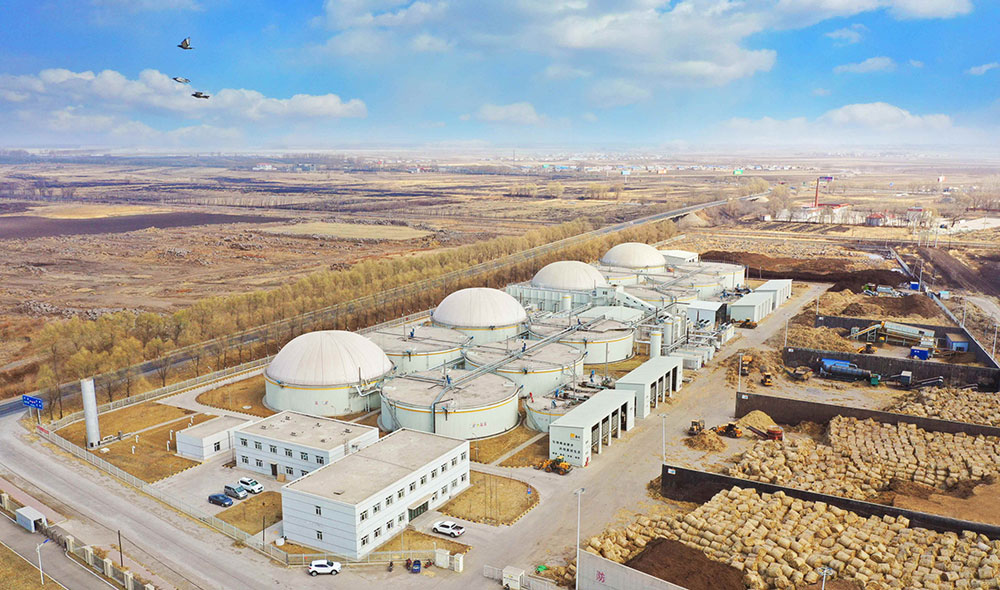
As the world grapples with the dual challenges of waste management and energy production, innovative solutions are emerging to address these issues simultaneously. One such solution is Napier grass for biogas production, which is gaining attention for its potential to convert organic waste into renewable energy. This article examines the challenges faced by many countries, particularly in rural areas, and how Napier grass biogas projects can serve as an effective and sustainable solution.
Many countries, especially those in the developing world, face the challenge of managing vast amounts of organic waste. In rural regions, where agriculture is the primary livelihood, livestock waste—such as manure—is abundant. However, without proper disposal methods, it leads to environmental contamination, including water pollution and methane emissions.
Problem: The improper handling of organic waste, particularly from livestock, contributes to soil degradation, pollution, and health hazards. In addition, these regions often face energy shortages, relying on non-renewable sources for cooking and heating.
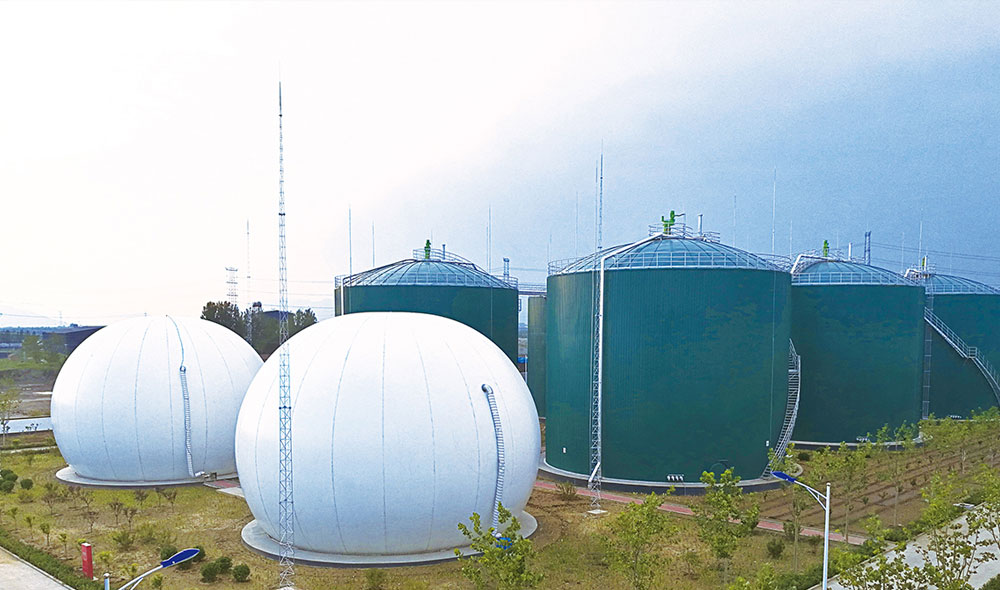
Solution: Napier grass for biogas offers a double benefit. As a fast-growing and high-yielding biomass, Napier grass can be cultivated alongside livestock farming. When integrated into biogas systems, it helps convert animal manure into renewable energy in the form of methane. This solution addresses both waste disposal and energy production needs.
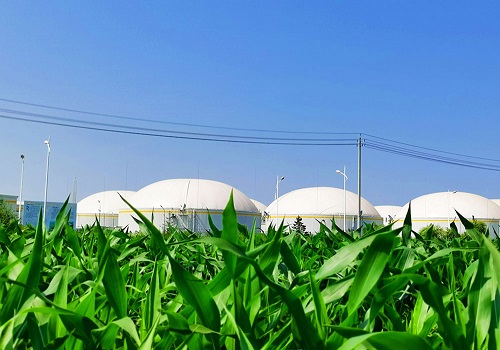
Napier grass (also known as elephant grass) is a tropical perennial that thrives in various soil types and climatic conditions, making it an ideal crop for biogas projects in rural regions. The high cellulose content and rapid growth cycle of Napier grass make it highly effective for biogas production, providing a steady, renewable source of biomass.
Problem: Traditional feedstocks for biogas plants—such as food waste or agricultural residues—can be unreliable in terms of quantity or quality. Additionally, not all areas have access to consistent waste streams to feed anaerobic digesters.
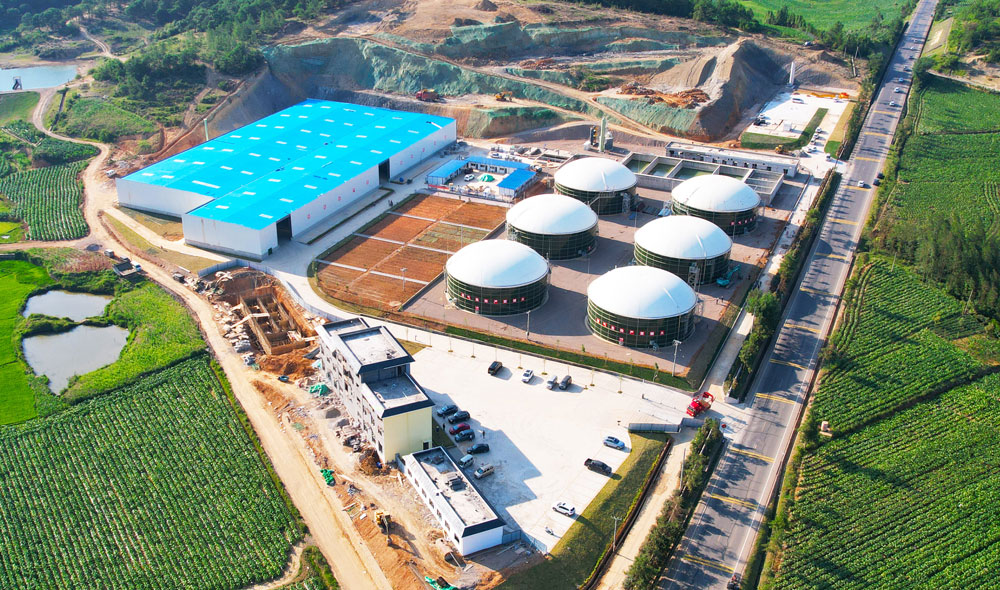
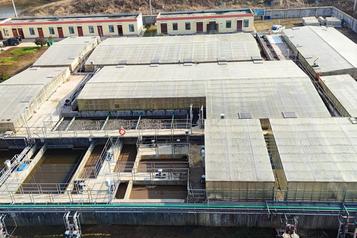
Solution: Napier grass biogas plant project can overcome these issues. The grass can be grown year-round, providing a stable and consistent feedstock. Its ability to grow quickly and yield large quantities of biomass makes it an excellent resource for long-term energy generation, ensuring that biogas plants can operate continuously without the need for external waste inputs.
| Feature | Benefit |
|---|---|
| High Yield | Napier grass can produce large amounts of biomass, providing a consistent feedstock for biogas production. |
| Rapid Growth | The grass grows quickly, allowing multiple harvests per year. |
| Climate Resilience | Adaptable to a wide range of soil types and climates, making it suitable for various regions, especially tropical zones. |
| Waste Integration | Can be combined with livestock manure in biogas plants, helping address waste management issues. |
Energy scarcity is a common issue in rural areas, particularly in countries like India, Indonesia, and parts of Africa. These regions often lack access to the national grid, and many households rely on traditional fuels like firewood or kerosene, which are not only inefficient but also harmful to the environment.
Problem: The reliance on non-renewable energy sources leads to deforestation, air pollution, and increased carbon emissions. Additionally, many rural areas lack the infrastructure for large-scale energy production.
Solution: Napier grass biogas systems can provide a decentralized energy solution. The biogas produced from the grass and livestock waste can be used for cooking, heating, and even electricity generation. This localized energy source is clean, sustainable, and reduces dependence on fossil fuels, thus helping communities achieve energy security while reducing their carbon footprint.
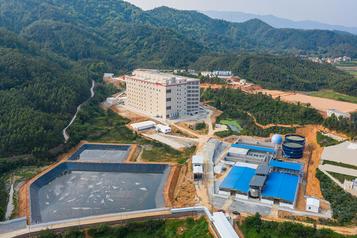
While the potential for Napier grass for biogas projects is clear, scaling these initiatives remains a challenge. In many regions, there is a lack of awareness or infrastructure to support the widespread adoption of biogas technology. Additionally, funding and technical expertise are often limited, which hinders the growth of these projects.
Problem: The scaling of Napier grass project requires significant investment in infrastructure, education, and technology. Without proper support, many of these projects may struggle to reach their full potential.
Solution: Governments, international organizations, and private investors must collaborate to invest in biogas infrastructure and train local communities. Providing financial incentives, technical training, and support will enable farmers to adopt Napier grass for biogas systems and scale them up effectively. This could lead to the widespread adoption of these systems, contributing to rural development, waste management, and clean energy generation on a larger scale.
In conclusion, Napier grass project presents a sustainable solution to the growing challenges of waste management and energy production in rural areas. By converting organic waste into biogas, these projects offer both environmental and economic benefits, contributing to cleaner energy and improved waste management. As countries look for innovative ways to address these issues, Napier grass for biogas provides a viable and scalable solution that can have a lasting impact on communities and the environment.