English
 日本語
日本語 한국어
한국어 português
Industrial Guide to Choosing a Reliable CNG Biogas Plant for Renewable Energy Projects
2026-07-13

2026-07-13
Choosing a CNG biogas plant requires careful evaluation of technology, capacity, feedstock conditions, and supplier capability. Industrial buyers need a system that can consistently convert organic waste into high-quality biomethane while meeting operational and investment targets.
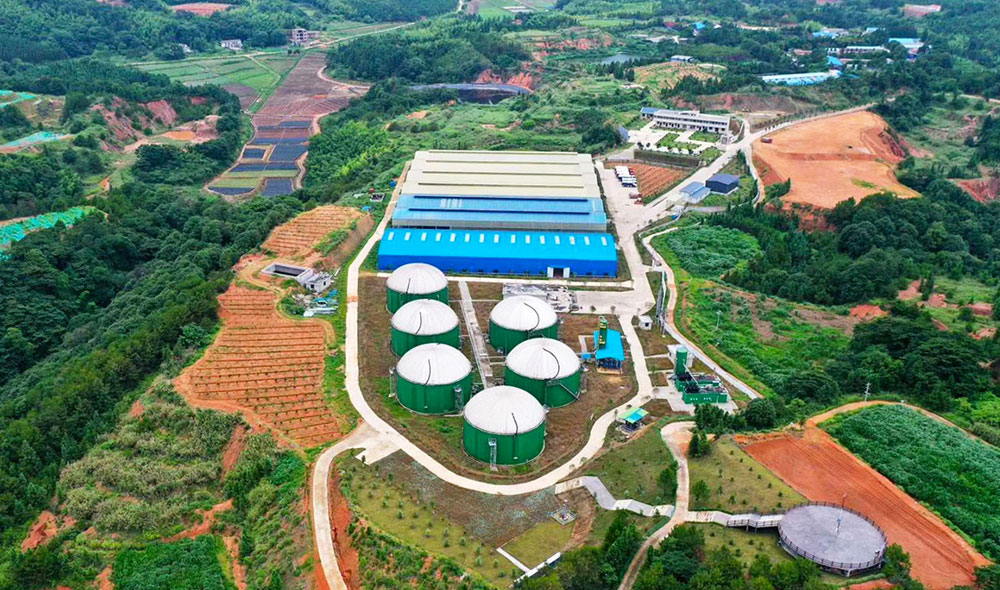
CNG biogas plants are becoming an important technology for companies seeking alternatives to fossil fuels. These systems capture methane generated from organic waste and upgrade it into compressed natural gas suitable for transportation and industrial applications.
For farms, factories, and municipal projects, the value of a CNG biogas plant is not only renewable energy production but also improved waste management efficiency and reduced environmental impact.
The performance of a project depends on several technical factors:
Factor | Impact on Plant Performance |
Feedstock quality | Influences gas production and stability |
Digester design | Determines digestion efficiency |
Upgrading technology | Controls biomethane purity |
Automation system | Improves operational reliability |
Maintenance planning | Extends equipment lifespan |
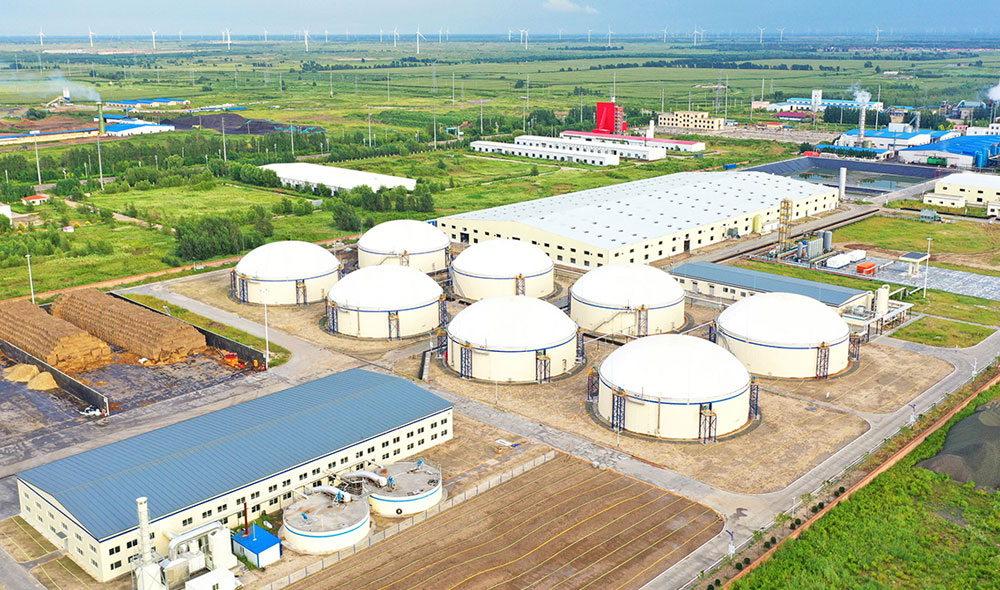
A detailed feasibility study before investment can help avoid capacity problems and unexpected operating costs. For industrial projects requiring higher output, large scale biogas production solutions can provide better resource utilization and long-term operational stability.
Purchasers should consider the following checklist:
Purchasing Item | Questions to Ask |
Capacity design | Does the output match future demand? |
Gas quality | Can the system achieve required fuel standards? |
Engineering service | Is installation and commissioning included? |
Customization | Can the plant adapt to different waste materials? |
After-sales support | Are technical services available long term? |
Selecting a supplier with complete engineering experience helps ensure project success.
Solution | Advantages | Limitations |
CNG biogas plant | Produces renewable fuel and manages waste | Requires professional engineering |
Direct biogas use | Simple energy recovery | Limited application range |
Waste disposal only | Reduces waste volume | No energy revenue |
For organizations planning long-term renewable energy investments, CNG production offers stronger commercial opportunities.
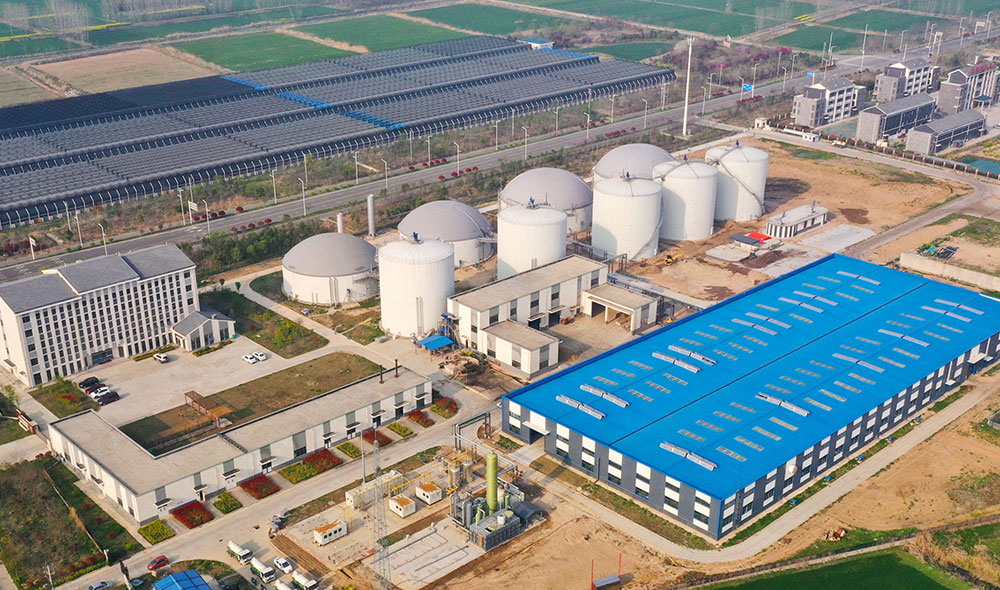
CNG biogas technology can support many industries, including agriculture, food manufacturing, livestock operations, and municipal waste management. Among these applications, biogas in agriculture has become an effective approach for converting organic waste into renewable energy resources.
A complete project may include related solutions such as biogas digesters, organic waste treatment systems, and renewable gas upgrading equipment. For agricultural residues such as crop straw, a paddy straw biogas plant can further expand renewable gas production opportunities. These integrated systems help customers maximize energy recovery from available resources.
When selecting a manufacturer, buyers should evaluate engineering ability, manufacturing quality, project experience, and customization capability.
A reliable supplier should provide technical consultation, system design, installation guidance, and ongoing support. Companies should also request detailed specifications before final investment decisions.
Biogas is the raw gas produced during anaerobic digestion, while CNG biogas is upgraded and compressed biomethane prepared for fuel applications.
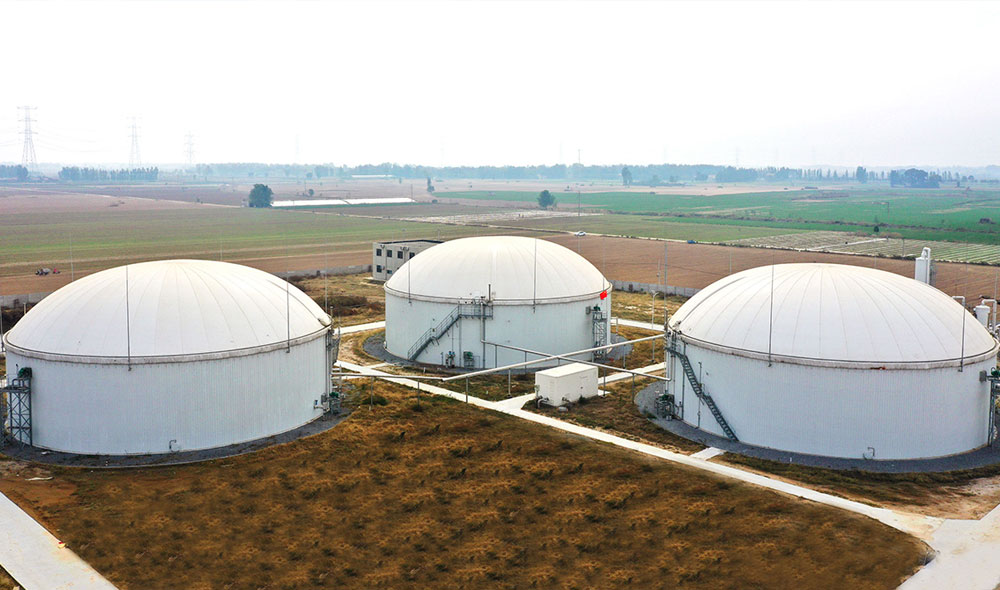
Yes. Agricultural waste and livestock manure are common feedstocks for CNG biogas projects because they provide continuous organic material. For farms with large amounts of cattle manure, a cow dung based compressed biogas plant can provide an effective way to produce renewable fuel from agricultural waste.
Capacity depends on available feedstock volume, organic content, expected methane yield, and required fuel output.
Most commercial projects require customization because waste characteristics, site conditions, and energy goals vary between customers.
Buyers should request technical specifications, production data, equipment details, project references, and quotation information.
A reliable CNG biogas plant allows organizations to create renewable fuel while improving waste management performance. Careful supplier evaluation and professional system design are essential for successful B2B renewable energy projects.
YHR Environment provides customized solutions. Request specifications, bulk quotation, or OEM support to discuss your renewable gas project requirements. And you can contact us to get more information.